Research platforms

As a community ecologist, I test ecological theories using both long-term observational datasets and controlled biodiversity experiments. My work combines broad-scale vegetation time series from collaborative data platforms with mechanistic evidence from field experiments to understand how diversity, traits, and climate variability shape ecological stability.

LOTVS

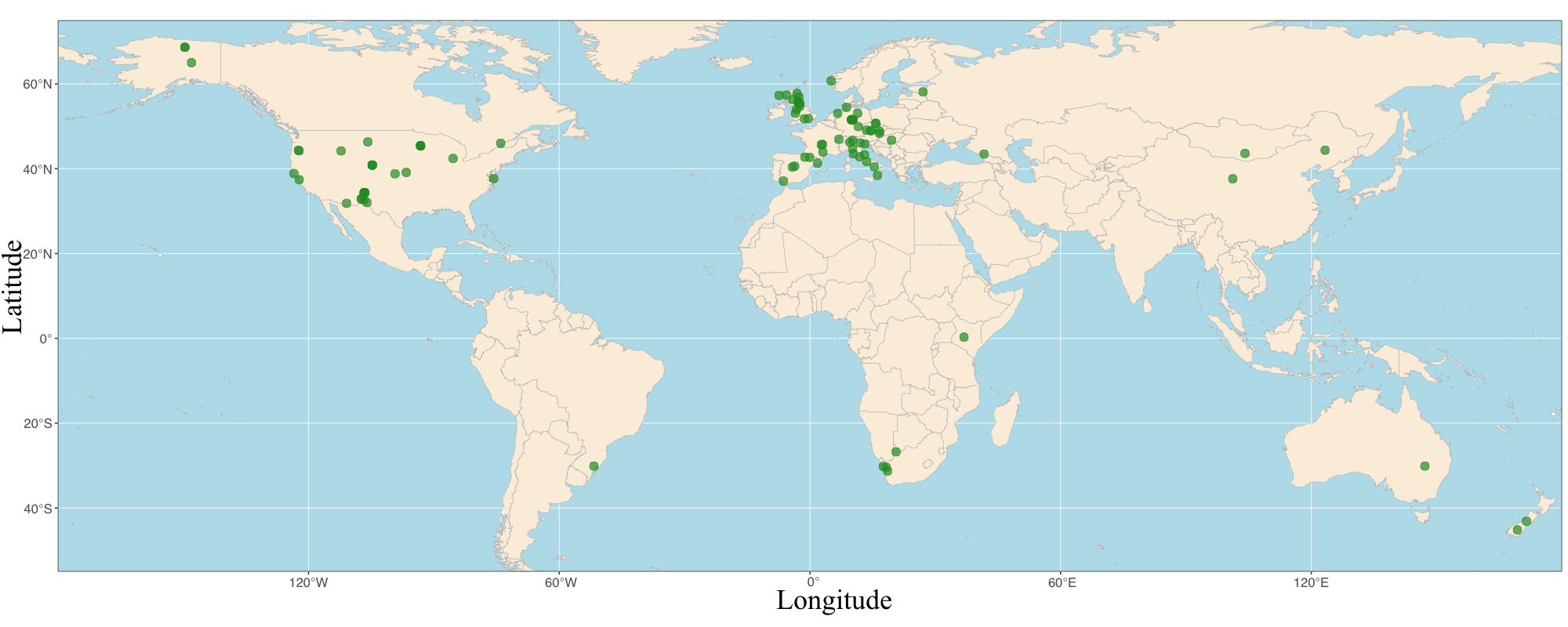
Global distribution of LOTVS datasets shown on a world map

LOTVS, the LOng-Term Vegetation Sampling initiative, is a global collection of temporal vegetation data recorded in permanent plots. According to the project website, the platform currently brings together vegetation time series from 79 datasets, covering about 8,000 plots and roughly 4,500 plant species. Because the plots are repeatedly sampled in fixed locations over multiple years, LOTVS provides a strong basis for studying temporal community dynamics, species turnover, and different components of ecological stability across ecosystems and regions.
UU BioCliVE

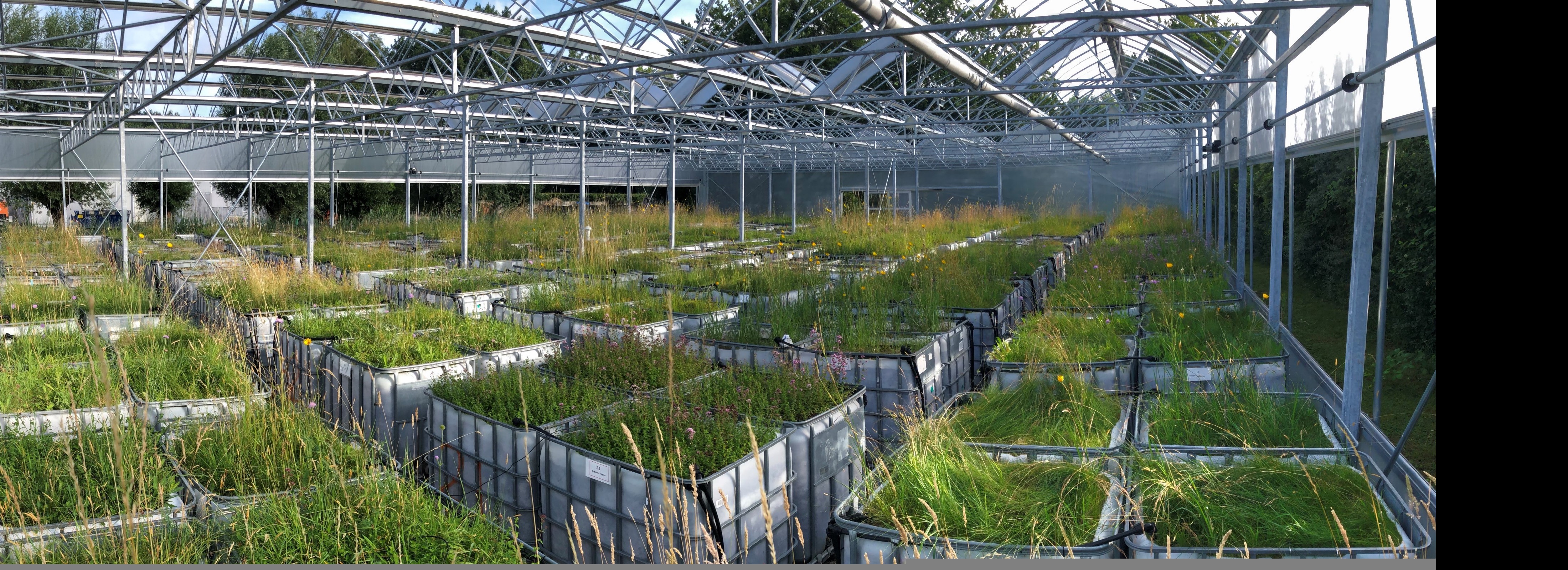
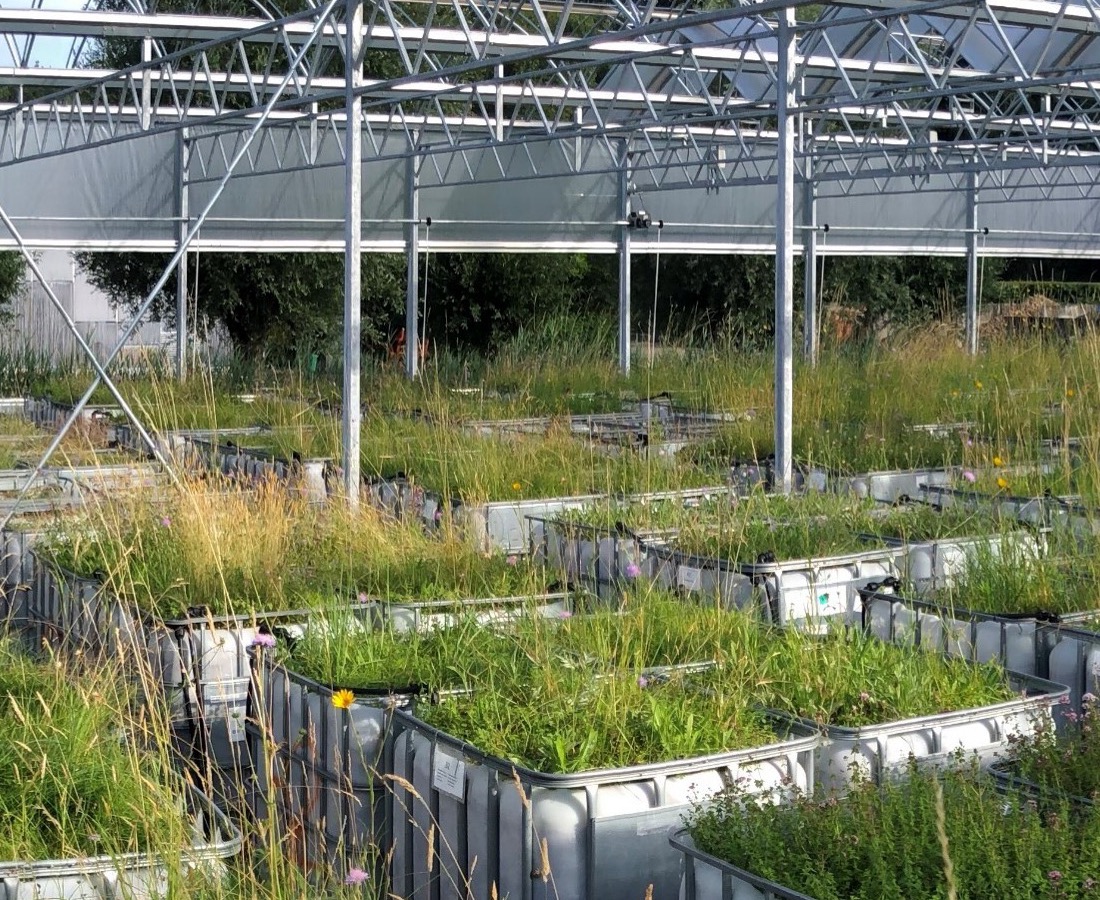
UU BioCliVE, the Utrecht University Biodiversity and Climate Variability Experiment, manipulates plant diversity and future precipitation scenarios to examine how biodiversity can buffer ecosystems against climate change. The experiment was established in 2017 at the Utrecht University Botanical Gardens and uses 352 large containers to construct grassland communities spanning a biodiversity gradient. This platform makes it possible to test ecological mechanisms under controlled yet realistic conditions, linking biodiversity, trait composition, drought responses, and ecosystem functioning.